Aircraft come in many forms, but at their core, they are typically grouped by how they generate lift and operate in flight. Understanding these classifications provides a foundation for everything from maintenance and engineering to flight operations and system design.
In general, most aircraft fall into a few primary classes, each defined by its method of lift and overall configuration. These distinctions are widely recognized across the aviation industry and form the basis for how aircraft are categorized, maintained, and certified.
Fixed Wing Aircraft
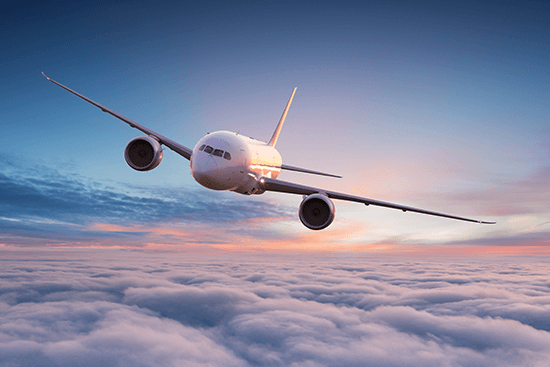
Fixed wing aircraft are the most common type of aircraft in operation today. They generate lift through forward motion, using wings to create aerodynamic lift as air flows over them.
While designs vary widely, from small single-engine aircraft to large multi-engine transports, they all share the same fundamental principle: forward thrust combined with a fixed wing to produce lift.
These aircraft typically include a fuselage, wings, stabilizers, and landing gear, though configurations can differ depending on the mission and design.
Rotary Wing Aircraft
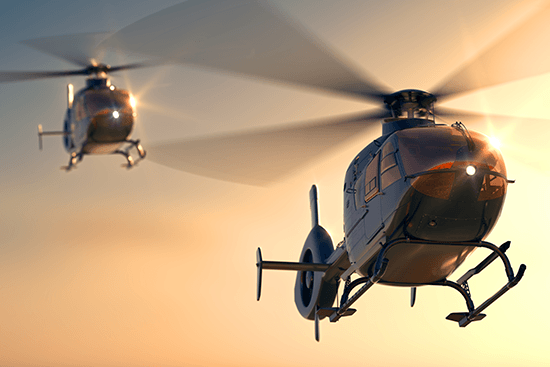
Rotary wing aircraft generate lift using rotating blades rather than fixed wings. This allows them to operate in ways fixed wing aircraft cannot such as vertical takeoff and landing, as well as hovering.
This class includes helicopters, autogyros, and gyrodynes, each with variations in how lift and thrust are produced.
Their ability to operate without runways makes them especially valuable for rescue, utility, and specialized operations.
Powered Lift Aircraft
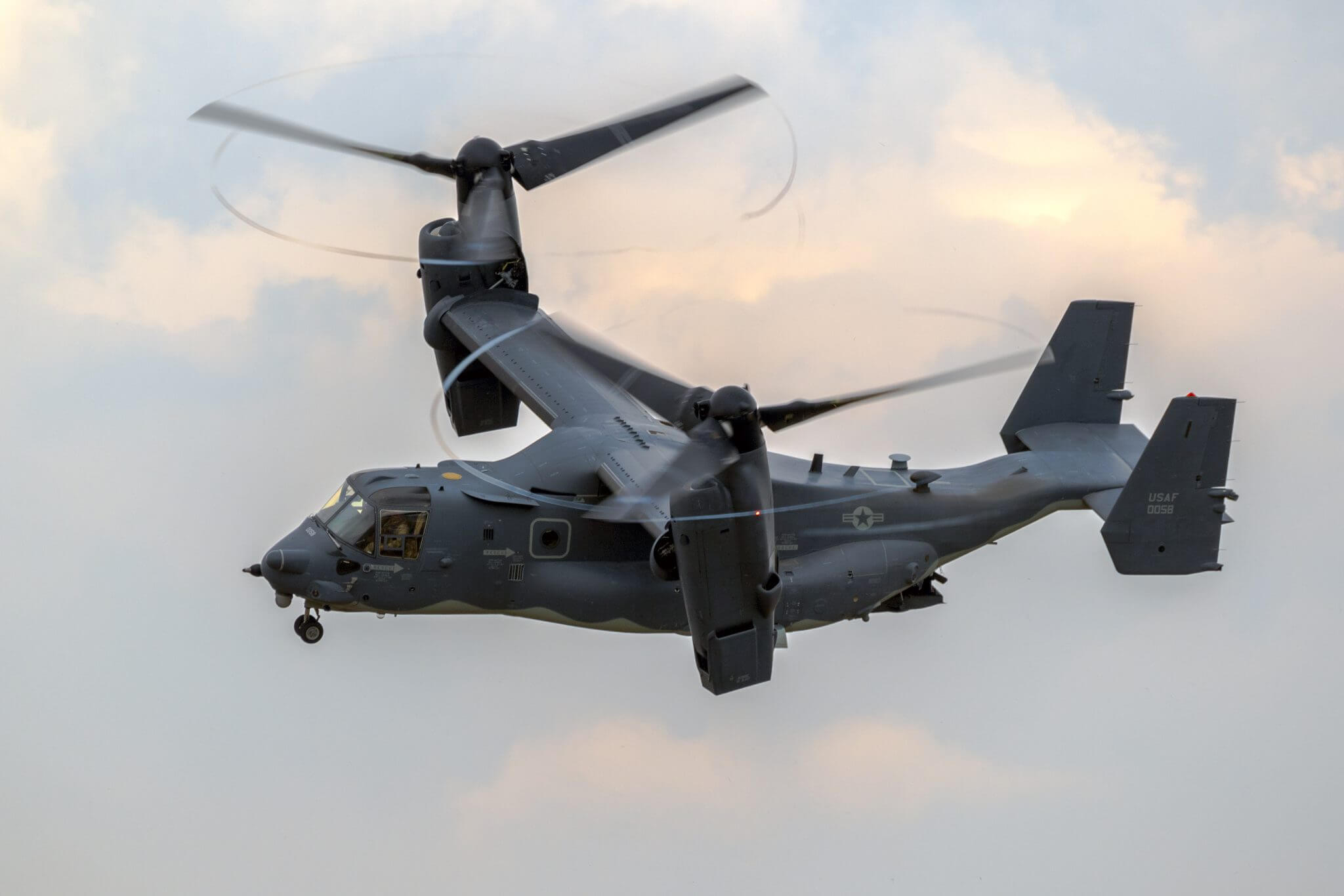
Powered lift aircraft bridge the gap between fixed and rotary wing designs. They are capable of vertical takeoff and landing while also transitioning into forward flight using wings.
These aircraft rely on engine-driven lift during low-speed or vertical operations and aerodynamic lift during forward flight, combining characteristics of both major classes.
A well-known example of this concept is tiltrotor aircraft, which can shift from vertical lift to forward flight mid-air. One such aircraft is the Bell Boeing V-22 Osprey which first achieved flight in March of 1989 and is still in active production.
Gliders
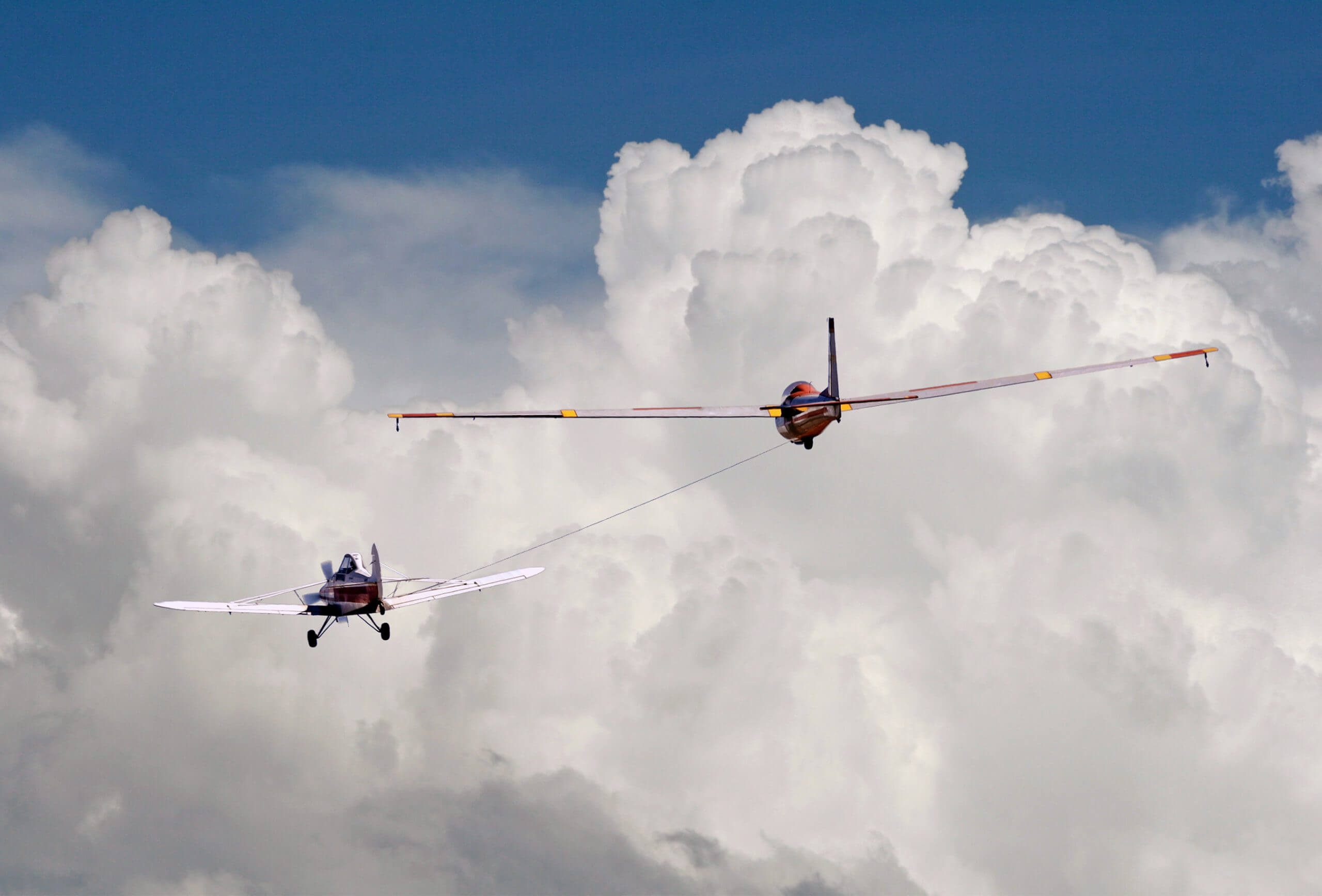
Gliders are unpowered, heavier-than-air aircraft that rely entirely on aerodynamic lift and environmental conditions to remain airborne.
Typically launched by tow or other assisted methods, they use rising air currents to sustain flight without an engine. Their simplicity and efficiency make them a unique and important part of aviation.
One of the most famous of gliders is the space shuttle. While the space shuttle is powered on take off, its return to earth is completely unpowered and is in a full glide. The space shuttle is referred to as a self-launch glider, which requires a separate endorsement to pilot.
Lighter-Than-Air Aircraft
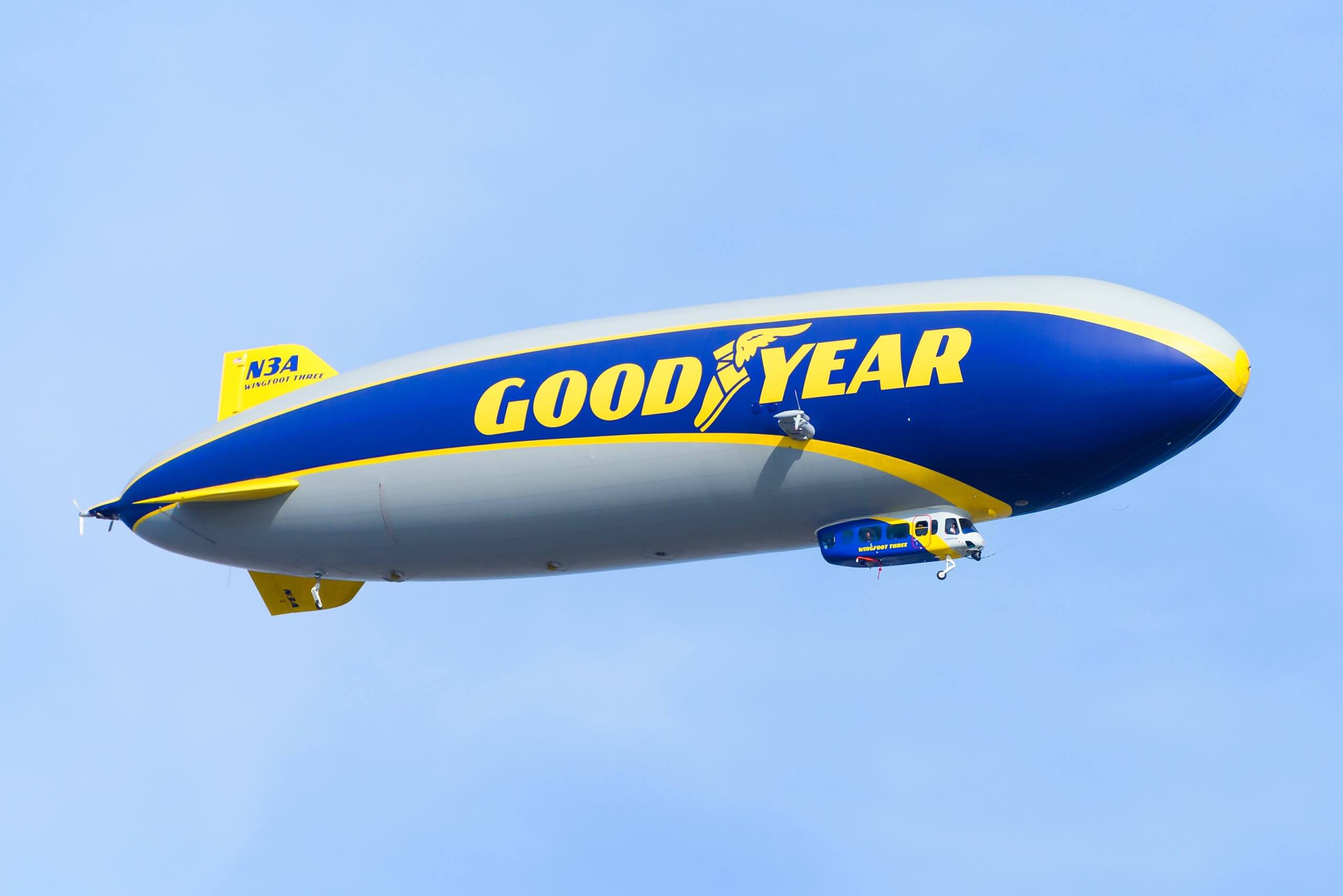
Lighter-than-air aircraft generate lift using buoyancy rather than aerodynamic forces. By displacing air with a gas that is less dense, such as helium, hydrogen and hot air, they are able to rise and remain airborne.
This class includes balloons and airships, which are often used for observation, advertising, and specialized operations where long-duration flight and stability are beneficial.
Powered Parachutes
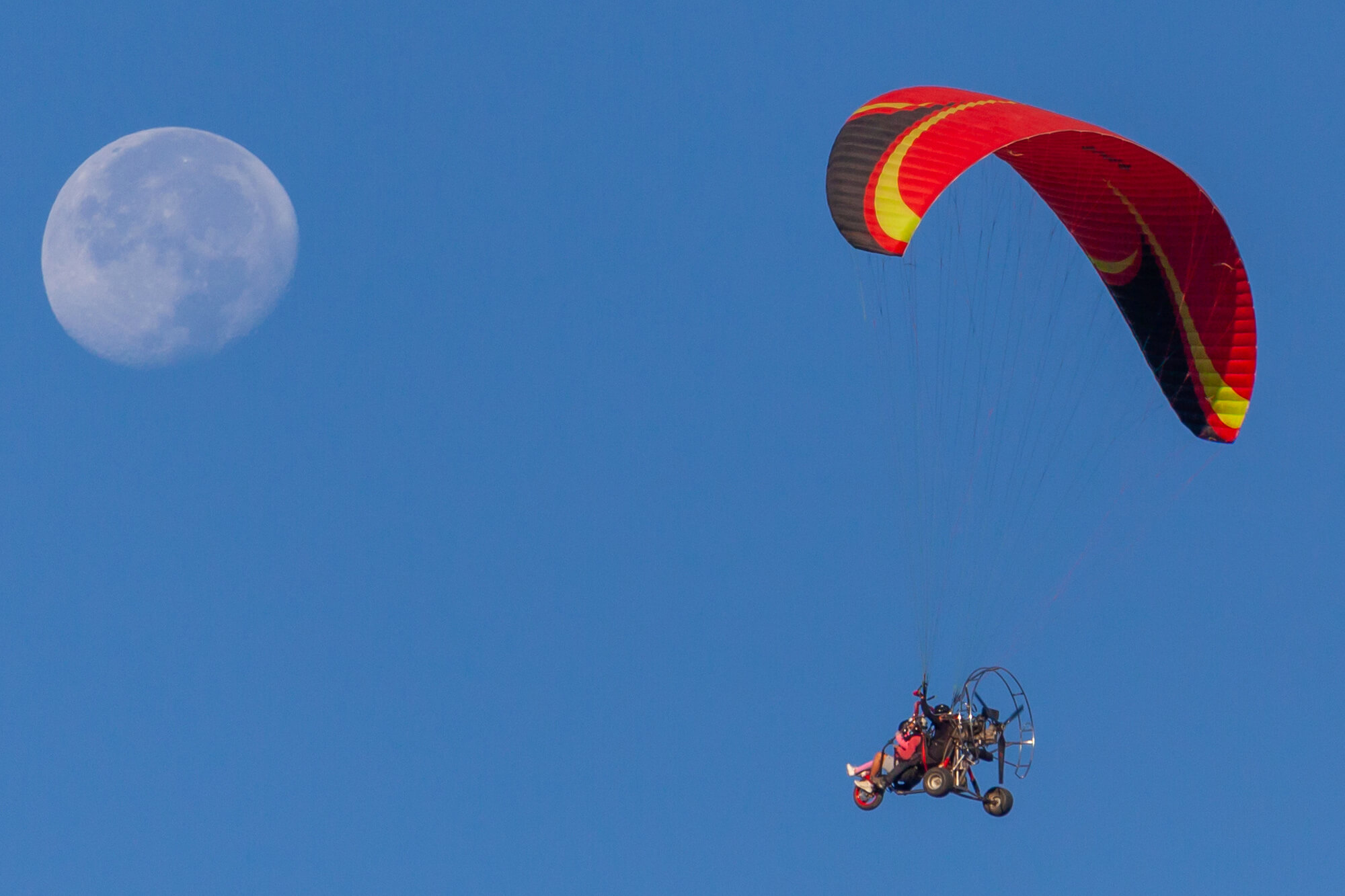
Powered parachutes are a form of light sport aircraft that use a flexible, parachute-style wing combined with an engine-driven propeller for thrust.
They operate at relatively low speeds and altitudes, offering simple controls and short takeoff requirements, making them accessible and effective for recreational flying and certain utility roles.
Why Aircraft Classification Matters
Aircraft classification isn’t just terminology, it directly influences how aircraft are designed, maintained, and operated. Each class comes with its own systems, performance characteristics, and regulatory considerations.
Understanding these differences is essential for anyone working in aviation, from pilots and engineers to maintenance professionals.